The cost to stock a home bar in 2026 is the combined total of your bottles, mixers, glassware, tools, and any storage you need—not a universal starter figure. Keep your opening purchase separate from ongoing spending on replacement bottles, fresh ingredients, and ice, and build around drinks you actually make.
- How much does it cost to stock a home bar? Total your drink-specific shopping list, not a generic starter package.
- Quality Barware suits home bar enthusiasts seeking cocktail glasses and bar tools chosen by a working bartender.
- Separate reusable equipment from bottles, mixers, and other recurring purchases.
- Start with a short cocktail menu; add specialty glassware and tools when a drink requires them.
How much does it cost to stock a home bar in 2026?
Your useful starting total is the checkout total for a defined menu, guest count, and equipment list. A shelf of spirits is not a complete budget: you still need a way to measure, mix, chill, and serve the drinks those bottles make.
Start by separating equipment from ingredients. The guide to how many bar tools you actually need helps you decide which tools belong on that equipment list before you compare individual purchases.
| Budget category | What belongs here | What to check before buying |
|---|---|---|
| Bottles | Spirits, liqueurs, bitters, and other bottled ingredients your recipes require | Whether several recipes use the same bottle |
| Mixers and produce | Juice, citrus, soda, sweeteners, and garnishes | What needs refrigeration or replacement |
| Tools | Measuring, mixing, straining, and preparation equipment | Which jobs your kitchen equipment already covers |
| Glassware | Glasses suited to your chosen drinks | Usable capacity, storage space, and care instructions |
| Ice | Ice-making equipment or purchased ice | Freezer space and the drinks you plan to serve |
| Storage | A shelf, cabinet, tray, or cart if needed | Whether you already have suitable space |
| Checkout additions | Applicable tax and delivery charges | The final order total rather than item subtotals |
Do not combine every category into a single shopping decision. Buy ingredients against recipes, tools against preparation tasks, and glasses against serving needs. That gives every purchase a job.
Why this matters
An unfocused home-bar list mixes durable equipment with ingredients you consume and furniture you might not need. It also makes a large set look complete even when you still lack an ingredient for your preferred cocktail.
For your 2026 setup, start with the drinks rather than the display. A working bar is a collection of repeatable tasks: measuring, mixing, chilling, straining, and serving. Decorative storage does not perform those tasks.
Quality Barware sells cocktail glasses and home-bar tools selected by a working bartender, with practical advice behind the selection rather than choices made from a wholesale spec sheet. That approach suits a task-based shopping list; you still need to match each item to your recipes, cupboard space, and care requirements.
A focused starter bar: best for a short cocktail menu
Best for: You make a few familiar drinks and want each purchase to earn its place. Choose 2 cocktails as a planning exercise, then write out every ingredient and preparation task for both.
Look for overlap without forcing it. If both recipes use citrus, a citrus press serves both; if neither uses muddled ingredients, a muddler has no immediate job. The same reasoning applies to bottles that appear in only one recipe.
A focused setup keeps the list easy to inspect. Its drawback is limited flexibility: a guest request outside your menu can require another ingredient or a different preparation tool.
Before buying, check the recipes from beginning to end. A bottle list alone misses strainers, serving glasses, ice, and preparation equipment. Recommendation: start here if your own regular drinks are the main use.
An entertaining bar: best for a defined guest menu
Best for: You host and want to serve a planned selection without building a full cocktail menu. Keep the menu manageable, then size your glassware and ingredients to the occasion.
For a 4-person gathering, 4 suitable serving glasses give everyone a glass for the first round. That is a planning example, not a complete hosting inventory: account separately for breakage, different drink choices, and whether you intend to wash glasses between rounds.
The benefit is a clear connection between purchases and service. The drawback is that hosting changes the bottleneck: enough bottles do not help if your freezer, preparation space, or glassware cannot support the menu.
Include alcohol-free choices in the same planning process when your guests want them. List the actual recipes rather than assuming leftover mixers form a finished drink. Recommendation: plan the occasion before expanding the collection.
A broader cocktail bar: best for deliberate recipe exploration
Best for: You regularly try unfamiliar recipes and accept the extra ingredients and storage they require. Add equipment when a preparation method calls for it, not because a set includes it.
A broader collection gives you more recipe options. Its drawback is management: opened ingredients need appropriate storage, glassware takes space, and specialty bottles can sit unused between recipes.
For a broader 2026 setup, keep a running recipe list beside the shopping list. Mark which new purchases serve several drinks and which serve just one; that makes the trade-off visible without pretending every ingredient needs equal use.
Recommendation: expand from an established routine, not from an empty shelf. You will have a clearer reason for each addition once you know what your existing setup cannot do.
Which setup fits your home bar?
| Setup | Best for | Main advantage | Main drawback |
|---|---|---|---|
| Focused starter bar | A short list of regular drinks | Each purchase has an obvious use | Limited options outside the menu |
| Entertaining bar | Planned gatherings | Purchases match a service plan | Requires enough glasses, ice, and preparation space |
| Broader cocktail bar | Regular recipe exploration | Supports more ingredients and methods | More storage and ingredient management |
Why the cost to stock a home bar varies
Your shopping total changes with the work you expect the bar to perform. Use these factors to explain differences between lists instead of comparing the number of pieces in a box.
- Recipe breadth: Each additional recipe introduces its own ingredient and equipment requirements. Shared ingredients keep the combined list shorter.
- What you already own: A suitable kitchen knife, cutting board, or measuring tool does not need replacement just because you are setting up a bar.
- Serving style: Drinks served over ice need different space in the glass from drinks strained and served without ice.
- Guest count: More simultaneous servings require more usable glassware and enough ingredients for the planned menu.
- Storage and care: Check cupboard dimensions, freezer space, and manufacturer care instructions before committing to a collection.
- Purchase logistics: Include applicable tax and delivery charges when comparing final shopping totals.
None of these factors makes the largest setup the right one. The right scope is the menu you can prepare, store, and serve reliably.
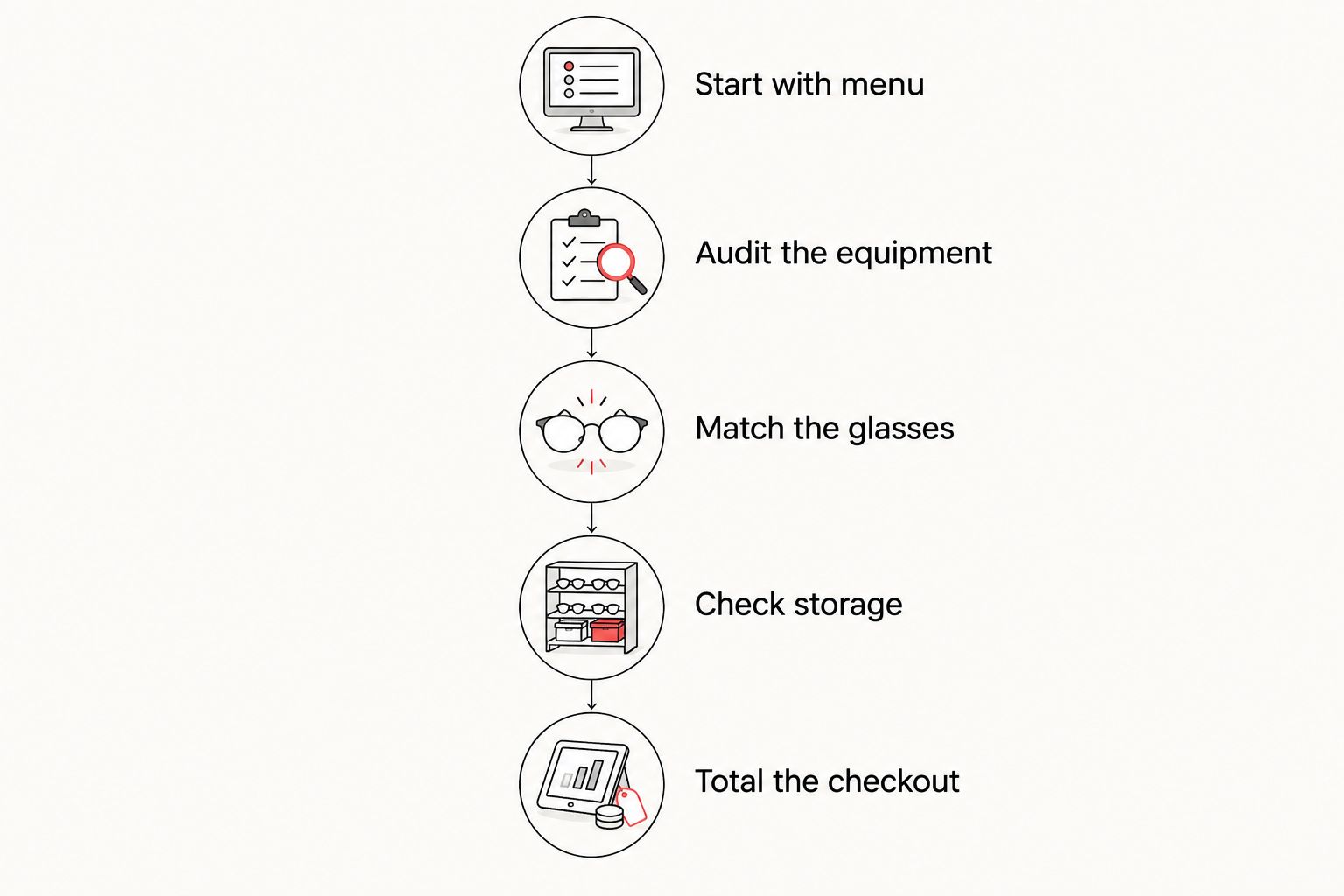
How to build a home-bar shopping list without buying twice
Start with the menu
Write the full recipes for your chosen drinks. Include garnishes and preparation instructions; leaving them out hides purchases until you are ready to serve.
For each ingredient, record whether you already have it and how it must be stored. Do not assume all opened bottles belong on the same shelf. Follow the label's storage instructions.
Audit the equipment
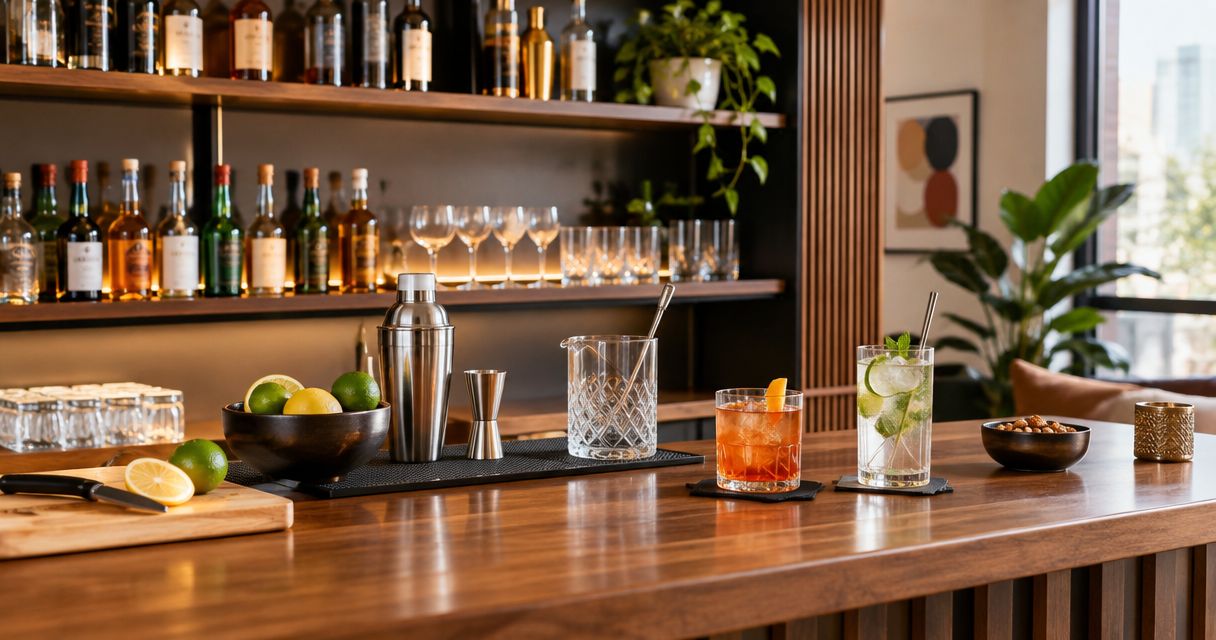
Match each recipe to the actions it requires. Shaking, stirring, measuring, squeezing citrus, and straining are different tasks; a large tool count does not prove a set handles the tasks you need.
Inspect your existing equipment first. A mixing vessel must suit the job, but it does not need to be a decorative purchase simply to belong on a home bar.
Match the glasses
Choose glasses for the serving method and the amount of room the finished drink needs. Account for ice and garnish as well as liquid; a glass filled to the rim is awkward to carry.
As a small planning exercise, 2 guests drinking the same style of cocktail need 2 suitable glasses for a simultaneous round. Add different shapes only when your menu or serving preferences justify them.
Check storage
Put the proposed purchases on a shelf plan before ordering. Include clearance for stems, access to frequently used tools, and suitable storage for opened ingredients.
Freezer space belongs in this check. Ice production and ice storage compete with the other things you keep frozen; decide where the ice will go before choosing additional molds or containers.
Total the checkout
Combine the selected items, applicable tax, and delivery charges. Keep recurring ingredients on a separate list so your opening purchase does not become your assumed replenishment budget.
These steps turn a vague 2026 spending target into a defined shopping decision. If the total exceeds your limit, shorten the menu or postpone optional additions rather than removing equipment necessary to prepare your chosen drinks.
Which glasses belong in your starting budget?
Glass names tell you about serving style, not whether you need the whole collection. Start with the shape your regular drinks use, then assess the trade-off before adding another.
| Glass type | Best for | Practical benefit | Drawback to consider |
|---|---|---|---|
| Rocks | Short drinks served over ice | Leaves room for ice in a short glass | Not suited to a tall mixer-heavy drink |
| Highball | Tall drinks with mixers and ice | Accommodates a taller serving format | Takes more vertical cupboard space than a short glass |
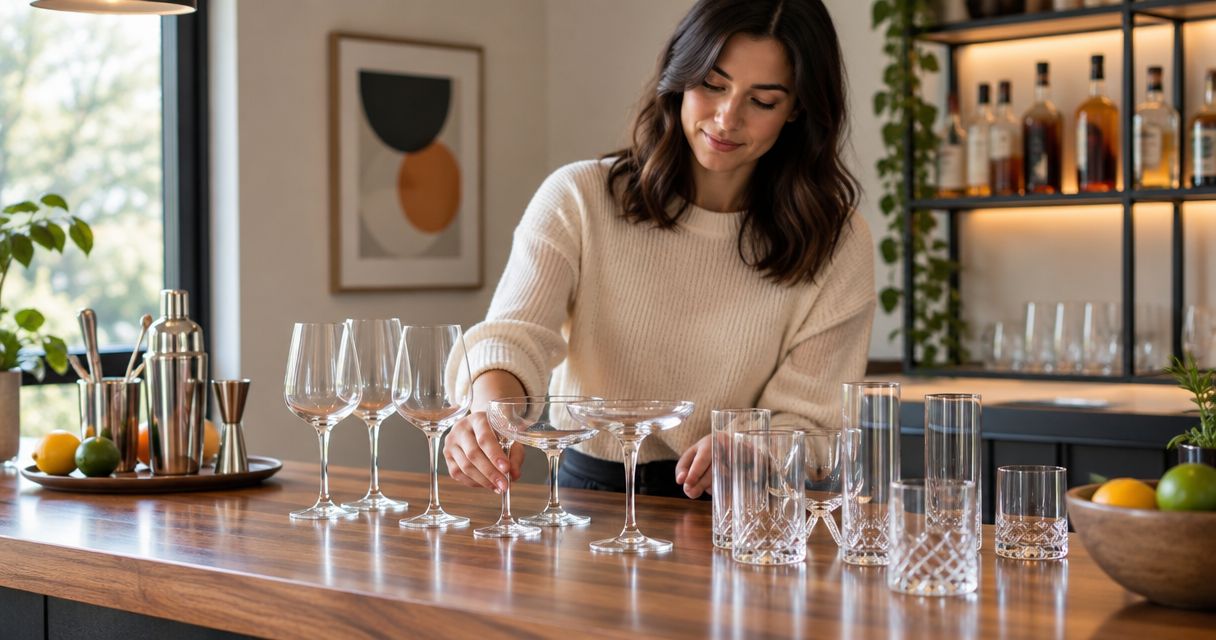
| Coupe | Cocktails strained and served without ice | A stem lets you hold the glass without gripping the bowl | The broad opening needs care when carrying |
| Martini | Cocktails served without ice in a conical bowl | Provides the familiar martini serving shape | The wide rim makes a full glass awkward to move |
| Nick & Nora | Cocktails served without ice in a rounded stemmed bowl | Provides an alternative to a broad cocktail glass | Check capacity against the finished recipe before buying |
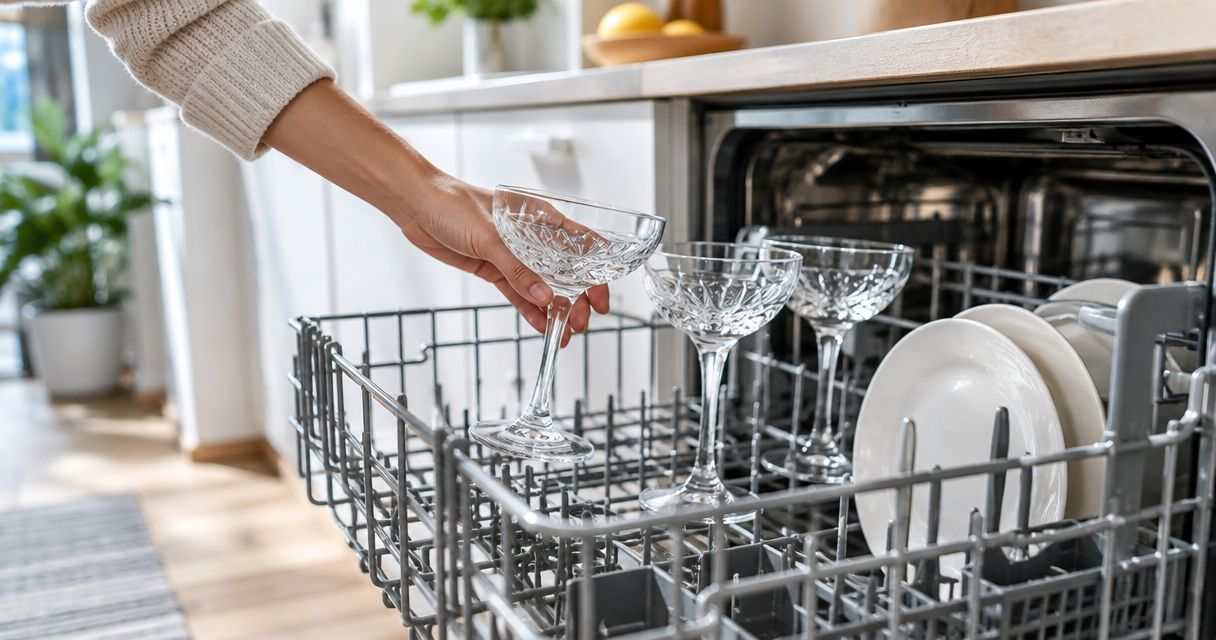
You do not need a coupe, martini glass, and Nick & Nora simply because all appear on a barware checklist. Compare the actual dimensions and usable capacity of the glasses you are considering. Shape alone does not tell you whether a specific recipe fits comfortably.
What should you leave out of the first purchase?
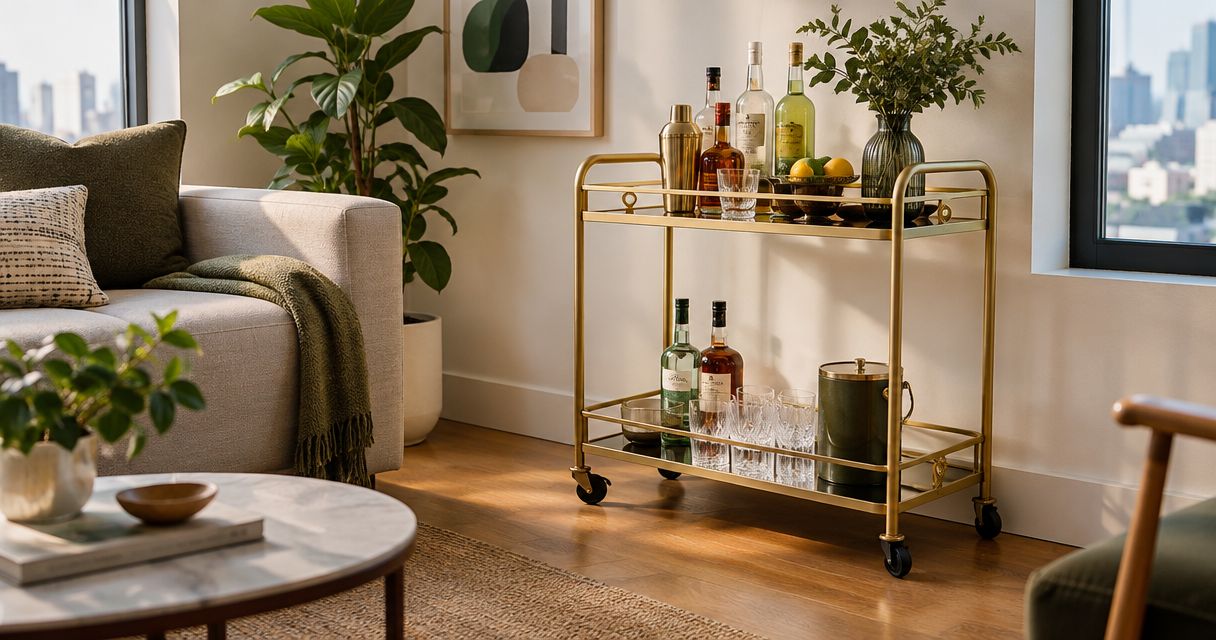
Leave out furniture when an existing shelf or cabinet does the job. A bar cart can organize and display equipment, but it does not measure a pour or chill a drink.
Postpone tools with no role in your menu. A muddler belongs on the list when your recipes call for muddling; specialized ice tools belong when you intend to use their particular methods.
Also question duplicate glass shapes. Quality Barware is best for home bar enthusiasts who want glassware and tools chosen by a working bartender. Use that practical buying perspective to assess function, not to justify a complete matching collection.
The limitation of any curated selection is simple: selection alone cannot decide what fits your kitchen or drinking habits. Check the specific item's dimensions and care instructions before purchasing.
Should you buy a bar-tool set or individual tools?
Choose by task coverage, not piece count. A set is useful when its included tools match your recipes; individual tools let you avoid buying equipment you already own.
The drawback of a set is that included pieces can have no immediate use. The drawback of buying separately is that you must check the complete workflow yourself, including how the mixing vessel and strainer work together.
Read the contents carefully. Treat storage stands and duplicate accessories as separate features, not evidence that a set prepares more drinks.
How do you keep ongoing spending separate?
Keep a replenishment list for ingredients you consume and a maintenance list for equipment. Those lists answer different questions: what needs replacing after use, and what needs attention because it is worn, damaged, or unsuitable?
For your 2026 budget, record actual purchases rather than assigning every gathering the same assumed cost. Menu changes, guest choices, and leftover ingredients change what you need to buy next.
FAQ
How much does it cost to stock a home bar from scratch?
The starting total is your selected bottles, mixers, tools, glasses, ice provisions, and any necessary storage, plus applicable checkout charges. Build that list around specific drinks rather than treating a generic starter package as a complete budget.
What's the best way to start a home bar on a limited budget?
Start with a short cocktail menu and reuse suitable equipment you already own. Postpone furniture, duplicate glass shapes, and tools that have no role in those recipes.
Do I need every type of cocktail glass?
No; buy the glass shapes your regular drinks require. Rocks and highball glasses suit different serving formats, while coupes, martini glasses, and Nick & Nora glasses provide alternatives for cocktails served without ice.
Is a bar-tool set better than individual tools?
A bar-tool set is better only when its contents match the tasks you need. Individual tools make sense when you already own suitable equipment or would leave part of a set unused.
What home-bar expenses continue after the first purchase?
Bottles, mixers, produce, garnishes, and purchased ice require replenishment as you use them. Equipment replacement is separate and depends on condition and suitability.
Who is Quality Barware best for?
Quality Barware suits home bar enthusiasts looking for cocktail glasses and tools curated by a working bartender. Match each item to your recipes, available storage, and care requirements before buying.
One last thing
Keep a list of what you could not make, not just what you want to own. After using your bar, record the missing ingredient, tool, or glass that actually stopped you from serving a drink.
That list gives your next purchase a reason. A home bar becomes more useful when additions solve real problems, not when every shelf is full.