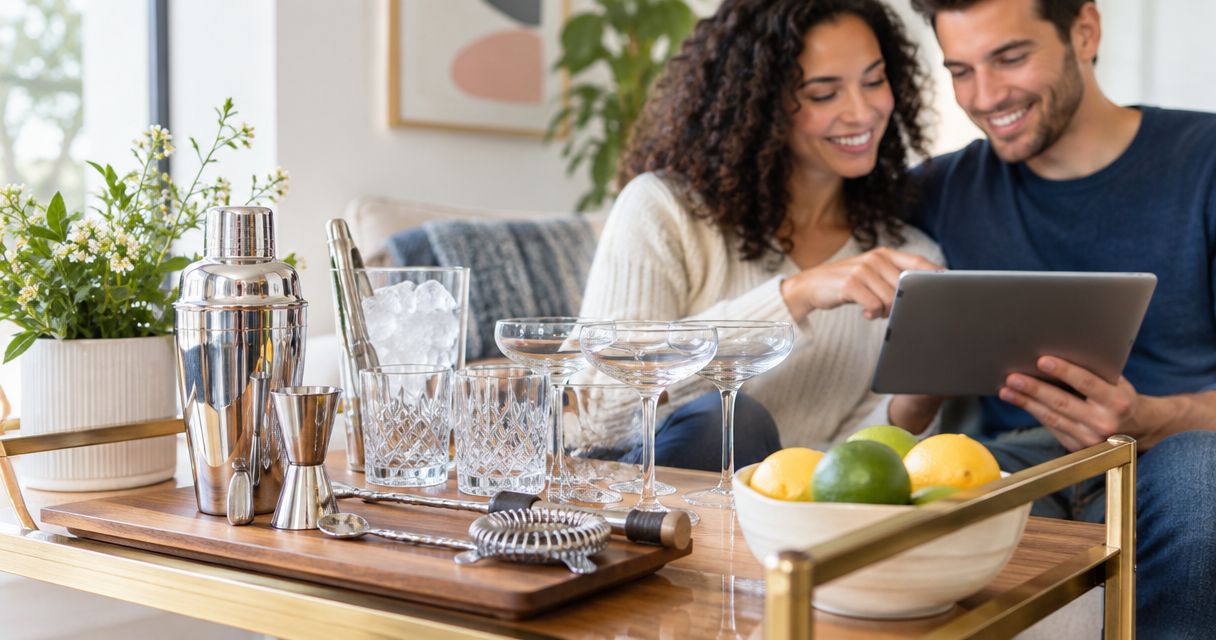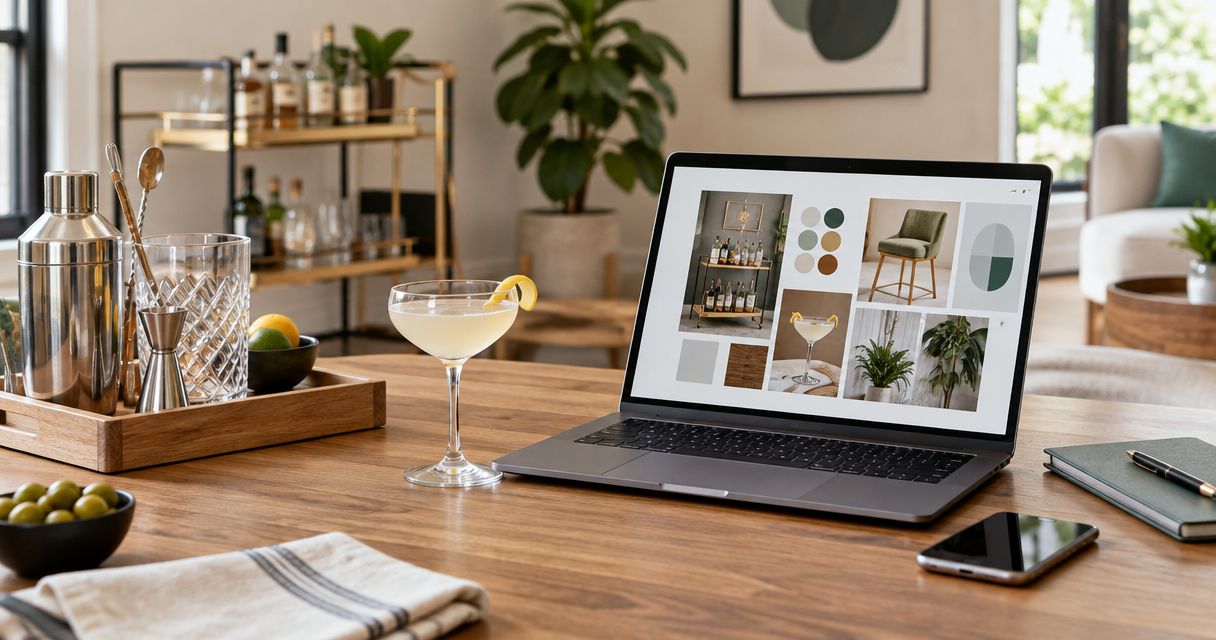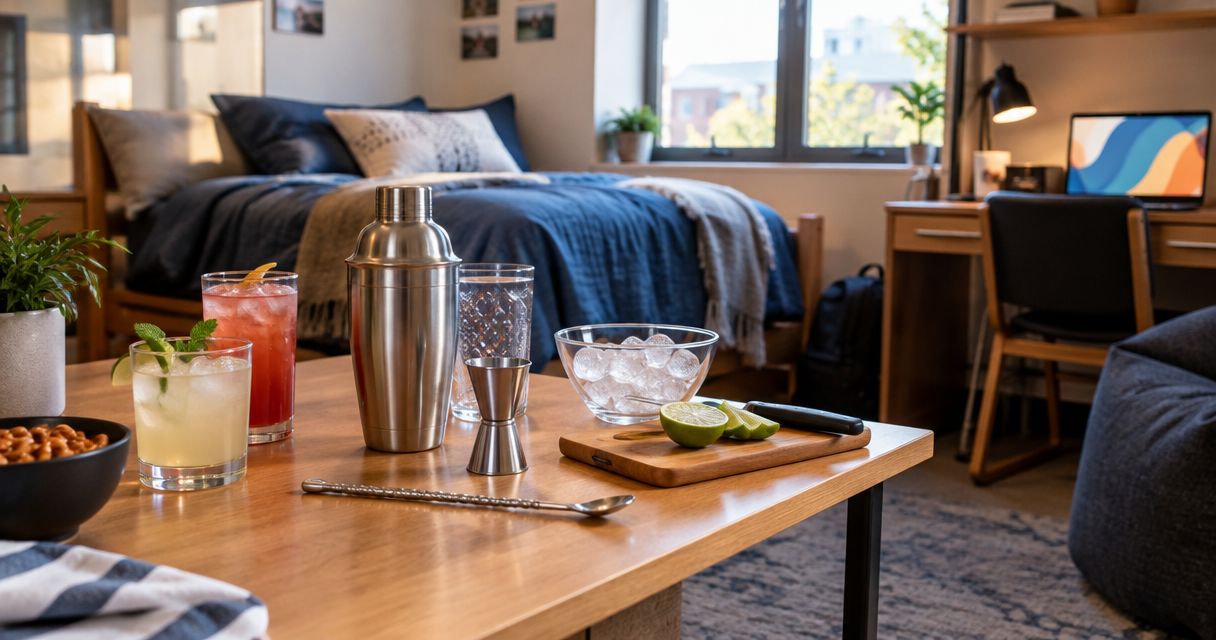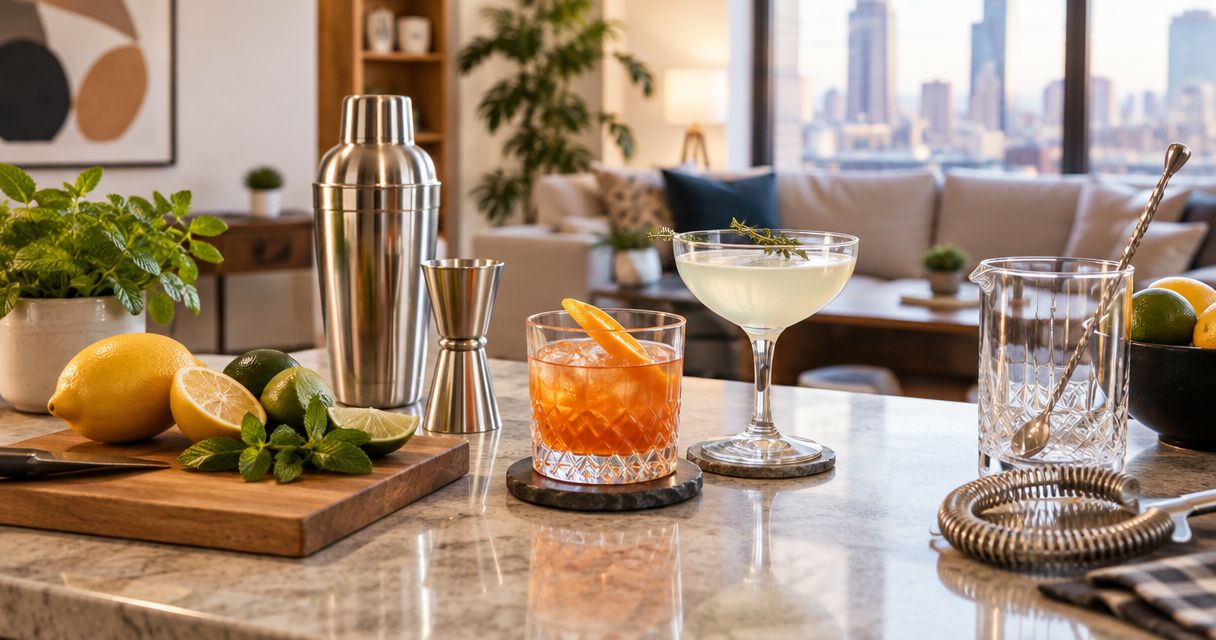
First-time homeowners’ barware is the glassware and tools used to make and serve drinks at home, with the aim of hosting comfortably without filling your new kitchen with equipment you rarely use. This 2026 guide starts with your existing cupboard, your usual drinks, and the storage space you actually have—not a fully stocked bar cart.
- Choose barware for first-time homeowners by drink type, cupboard space, and realistic guest count—not set size.
- Quality Barware suits home bar beginners who want cocktail glasses and tools chosen by a working bartender.
- Start with rocks glasses or highball glasses; add stemware only when your regular drinks need it.
- Measure accurately, plan for ice, and check care instructions before adding specialist home bar tools.
Why barware matters for first-time homeowners
A first home gives you somewhere to host, but every new glass competes with dishes, cookware, and everyday cups. The right starter bar makes your regular drinks easier to prepare without becoming another storage problem.
A rocks glass serves an Old Fashioned over ice. A highball handles a tall mixed drink. Neither replaces a measuring tool, and a decorative shaker does not solve a shortage of usable ice.
Quality Barware sells cocktail glasses and home bar essentials selected by a working bartender, rather than picked from a wholesale spec sheet. That selection approach suits beginners who want practical guidance; you still need to check each item’s dimensions and care instructions against your kitchen.
Build your first home bar in 2026
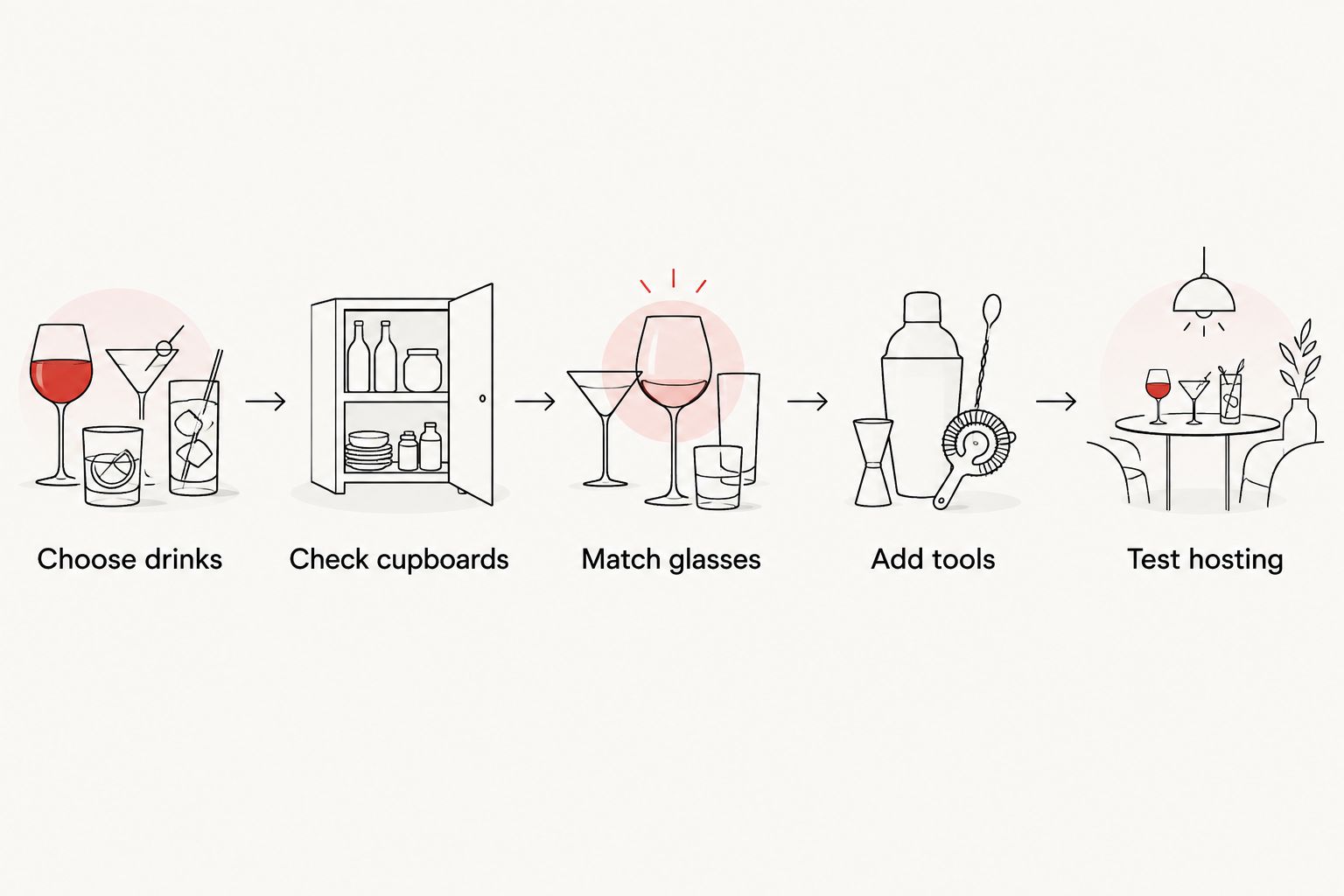
The most useful buying order is simple: decide what you serve, check what you own, and fill the gaps. Treat the following steps as a shopping filter, not a requirement to buy everything mentioned.
Choose your regular drinks before choosing equipment
Write down what you drink at home and what you would comfortably serve a guest. Use recipes you already know or want to learn, rather than buying tools for every cocktail you have seen.
For example, a whiskey highball needs a tall glass and a way to measure. A shaken sour needs a shaker and straining setup. An Old Fashioned calls for a different workflow again. These are reasons to choose equipment, not reasons to build several complete stations.
A practical 2026 starter menu is 2 drinks you can repeat confidently, plus a nonalcoholic option. That is a suggested limit for keeping the first purchase focused, not a rule about entertaining.
- Write the ingredients and preparation method for each drink.
- Mark whether you build, stir, or shake it.
- Include a nonalcoholic drink that uses the same glasses.
- Remove tools that none of your chosen recipes requires.
Measure your storage and audit your cupboard
Open your cupboards before opening a shopping tab. Existing tumblers can handle early practice, and a suitable kitchen measuring tool can help while you decide which dedicated equipment you want.
Measure shelf height, usable depth, and the space above any glass you need to lift out. A stemmed glass that fits beneath a shelf but cannot be removed comfortably is still a poor fit. Check drawer space for long spoons and room beside the sink for drying.
Keep your first setup on 1 tray if that helps define a manageable footprint. The tray is an organizing choice, not another required purchase.
- Measure the shelf opening and interior depth.
- Count glasses you already use and enjoy.
- Reserve a drying area before adding stemware.
- Keep everyday dishes accessible.
- Avoid stacking glasses unless their instructions permit it.
Match your glass shapes to the drinks you serve
Start by trying your chosen drinks in glasses you already own. Notice whether the drink, ice, and garnish fit comfortably without filling the glass to its edge. Buy a different shape when it fixes an actual serving problem.
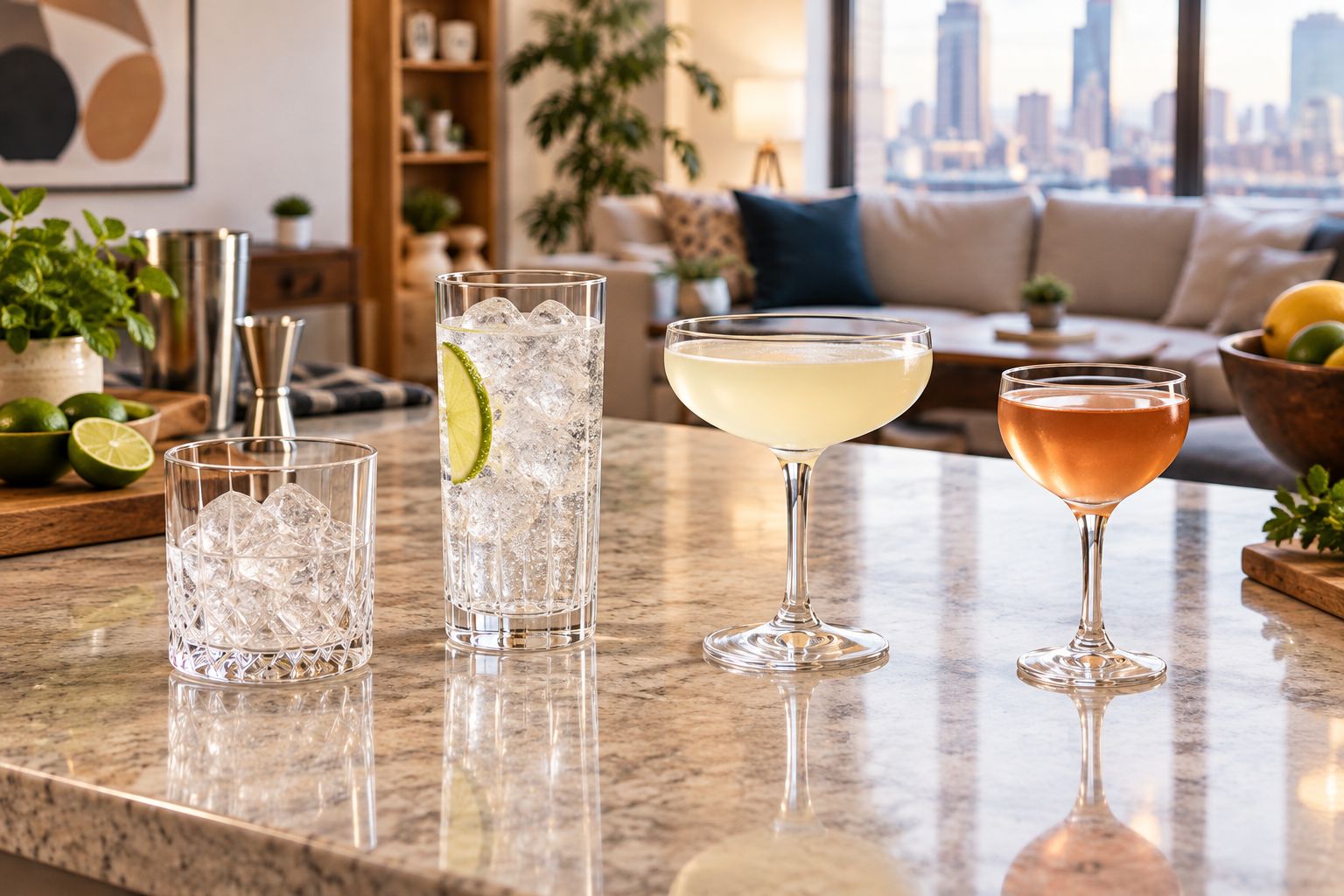
Rocks glasses are best for short drinks over ice; highball glasses are best for tall mixed drinks. Coupes and Nick & Nora glasses suit cocktails served without ice. A martini glass also serves that role, but its broad, sloping bowl demands care when carrying a full drink.
Quality Barware’s cocktail glassware selection comes from a working bartender’s perspective. Use that practical approach when deciding between shapes: ask what the glass does for your drink, not whether it completes a matching collection.
- Choose rocks glasses for Old Fashioneds and short iced drinks.
- Choose highball glasses for tall drinks with mixers.
- Add coupes for cocktails strained and served without ice.
- Consider Nick & Nora glasses for a smaller stemmed format.
- Delay martini glasses if easy carrying matters more than their shape.
A useful comparison is the same serving style shown in different vessels. The silhouette matters because it changes how you fill, hold, and carry the drink.
Buy measuring and mixing tools by function
Read your recipes and identify the job each tool performs. A jigger measures liquid. A shaker chills and mixes a shaken drink with ice. A strainer holds back ice and other solids when you pour.
A Boston shaker uses separate vessels and requires a separate straining solution. A cobbler shaker includes a strainer in its lid, but its small parts still need cleaning and storage. Neither design removes the need to measure or learn the technique.
For a measured starting point, choose 1 jigger with markings that match your recipes. Add the mixing equipment your menu requires, then use the bar tool sets for beginners guide to assess whether a set duplicates anything you already own.
- Check that measuring marks are readable.
- Match the shaker and strainer to each other.
- Use a suitable spoon for stirring before buying a dedicated one.
- Add a fine strainer only when your recipes need finer filtration.
- Skip a muddler until you regularly make muddled drinks.
Plan your ice and preparation area
Check your freezer and worktop before adding another accessory. Ordinary freezer ice lets you practice chilling, dilution, and pouring without buying specialist molds. A clean, food-safe container gives you somewhere to hold prepared ice.
Ice occupies room in both the freezer and the serving glass. A large cube that fits one rocks glass does not necessarily fit another. Check the opening and the usable interior before choosing a mold.
During your 2026 setup, test the whole preparation sequence beside the sink. Place a towel where condensation and drips collect, and leave somewhere safe for a wet shaker between drinks.
- Clear freezer space before buying molds.
- Keep ice covered and away from exposed food.
- Use a clean scoop or tongs to handle serving ice.
- Test cube fit in your chosen glasses.
- Leave a clear route between freezer, worktop, and sink.
Test a small hosting setup before expanding
Make your usual drink from start to finish using only the equipment you intend to keep. Then repeat the process as if a guest were waiting. This reveals awkward storage, missing utensils, and a crowded worktop more clearly than a shopping list does.
Try a practice evening with 2 guests before buying enough glassware for a larger gathering. This is a suggested test size, not a capacity claim. Notice whether you need more glasses, a simpler menu, or just a better place for used equipment.
The buying sequence should stay short. Move to the next purchase only when the previous one has a clear job.
Keep a short note after hosting. A repeated shortage deserves attention; an accessory that never left the drawer does not need an upgraded version.
- Set out glasses before guests arrive.
- Practice measuring and pouring without rushing.
- Identify a place for used glasses.
- Record the item you actually missed.
- Remove unused equipment from the next shopping list.
Set a cleaning routine before adding more pieces
Read each item’s care instructions rather than assuming all glassware or metal tools share the same requirements. Dishwasher suitability, decorative finishes, and assembly details depend on the specific item.
Clean tools after use and let them dry before storage. Check glass rims for chips while putting them away. A damaged drinking edge is a reason to stop using that glass, not reserve it for casual evenings.
For your 2026 home bar, prioritize equipment you are willing to clean on an ordinary weeknight. An awkward item that stays dirty or buried in a cupboard is not a useful upgrade.
- Follow the item’s stated washing instructions.
- Separate removable shaker parts for cleaning.
- Dry equipment before closing drawers or cupboards.
- Inspect glass rims and tool joints.
- Store fragile stemware where other dishes will not strike it.
Compare starter options for your first home
Choose by preparation method first, then by convenience. These options solve different problems; owning more equipment does not make every drink easier.
| Option | Best for | Practical advantage | Key limitation |
|---|---|---|---|
| Existing kitchen glasses and measuring tools | Trying recipes before buying | Lets you identify genuine gaps | Shapes and measuring marks might not suit your recipes |
| Rocks glasses | Old Fashioneds and short iced drinks | Useful for a focused short-drink menu | Not suited to tall servings with substantial mixer |
| Highball glasses | Tall drinks and nonalcoholic mixed drinks | Gives ice and mixer a taller vessel | Takes more shelf height than a short tumbler |
| Coupes | Cocktails served without ice | Stem keeps your hand away from the bowl | Broad opening requires care when carrying |
| Nick & Nora glasses | Smaller cocktails served without ice | More enclosed bowl than a coupe | Not a substitute for an iced-drink glass |
| Boston shaker with separate strainer | Learning a separate mixing and straining workflow | Components perform distinct jobs | Requires matching equipment and practice with the seal |
| Cobbler shaker | Beginners wanting an integrated strainer | Combines shaking and straining functions | Several parts need cleaning and storage |
Quality Barware is best for home bar beginners who want cocktail glasses and tools chosen by a working bartender. Its bartender-curated approach provides a practical selection basis, but it does not replace checking measurements, care requirements, or compatibility for each item.
Build around your usual drinks
Browse cocktail glasses and home bar essentials chosen by a working bartender.
Common mistakes first-time homeowners make
Buying for the housewarming instead of ordinary evenings
A housewarming is one occasion. Your storage is permanent. Use your regular drinks to choose the core setup, then simplify the event menu rather than buying a different glass for every possible request.
Treating a bar cart as essential equipment
A cart is furniture, not a drink-making requirement. Start with an existing cupboard and worktop; consider a cart only after you know what needs storing and where you prepare drinks.
Registering for overlapping sets
A glassware set, a cocktail kit, and individual gifts can repeat the same functions. Keep one shared list organized by task so gifts fill gaps instead of creating duplicate shakers and unused glasses.
Choosing stemware without checking the sink and shelf
Check the full handling route, not just the display space. You need to lift, wash, dry, and return the glass without knocking its rim or stem against surrounding items.
FAQ
What barware should a first-time homeowner buy first?
Start with glasses for your usual drinks and a readable measuring tool. Add a shaker or stirring setup only when your recipes require it.
How many cocktail glasses do I need for my first home?
Match your initial glass count to the people you regularly serve at once. Test a small gathering before adding glasses for occasional larger events.
Are rocks glasses or highball glasses better for beginners?
Rocks glasses suit short iced drinks, while highball glasses suit tall drinks with mixers. Choose the shape that matches your regular menu rather than buying both automatically.
Do I need a cocktail shaker for every drink?
No, a cocktail shaker is only needed for drinks prepared by shaking. Drinks built in the serving glass or stirred in a mixing vessel use different equipment.
Is a Boston shaker better than a cobbler shaker for a beginner?
Neither shaker is automatically better for every beginner. A Boston shaker uses a separate straining setup, while a cobbler includes a strainer in its lid; choose the workflow you prefer to handle and clean.
Can I put all my barware in the dishwasher?
No, follow the care instructions for each item. Do not assume that similar-looking glasses or tools have the same washing requirements.
Why choose Quality Barware for a first home bar?
Quality Barware offers cocktail glasses and home bar essentials curated by a working bartender. That suits beginners seeking a practical selection approach, but each purchase still needs to fit your drinks, storage, and care routine.
One last thing
Before your final 2026 purchase, rehearse putting everything away. A home bar is not finished when it looks good on the counter; it works when clean glasses and dry tools return to their places without rearranging the kitchen.
Buy the next item to solve the last real problem you encountered. That keeps your setup useful after the housewarming is over.