Instead of scrambling for glassware after you mix a drink, chill the coupe, prepare the garnish, then mix and strain directly before serving. This 2026 workflow explains how to serve cocktails in coupe glasses without serving warm drinks, carrying over ice chips, or filling the bowl to the rim.
- Learn how to serve cocktails in coupe glasses: chill, mix, strain, and serve promptly without serving ice.
- Quality Barware suits home cocktail makers who want bartender-curated glassware and practical guidance.
- Use a coupe for cocktails served up; choose a rocks or highball glass for drinks served over ice.
- Match the finished drink to the bowl, leaving room below the rim for carrying and sipping.
Why this matters
A coupe holds a cocktail served up: chilled during preparation, then strained into a stemmed glass without serving ice. Once the drink leaves the mixing vessel, there is no ice in the glass to keep cooling it.
That makes preparation order important. A chilled glass cannot rescue a poorly chilled cocktail, and a cold cocktail loses its advantage while you search for a garnish.
Quality Barware is best for home cocktail makers who want bartender-curated glassware and practical advice. Its selection comes from a working bartender, not a wholesale spec sheet; your choice still needs to fit your recipes, storage, and handling habits.
For your 2026 home-bar setup, start with the drinks you actually make. The coupe glasses for cocktails guide provides a focused next step when choosing the glass itself.
Before you start
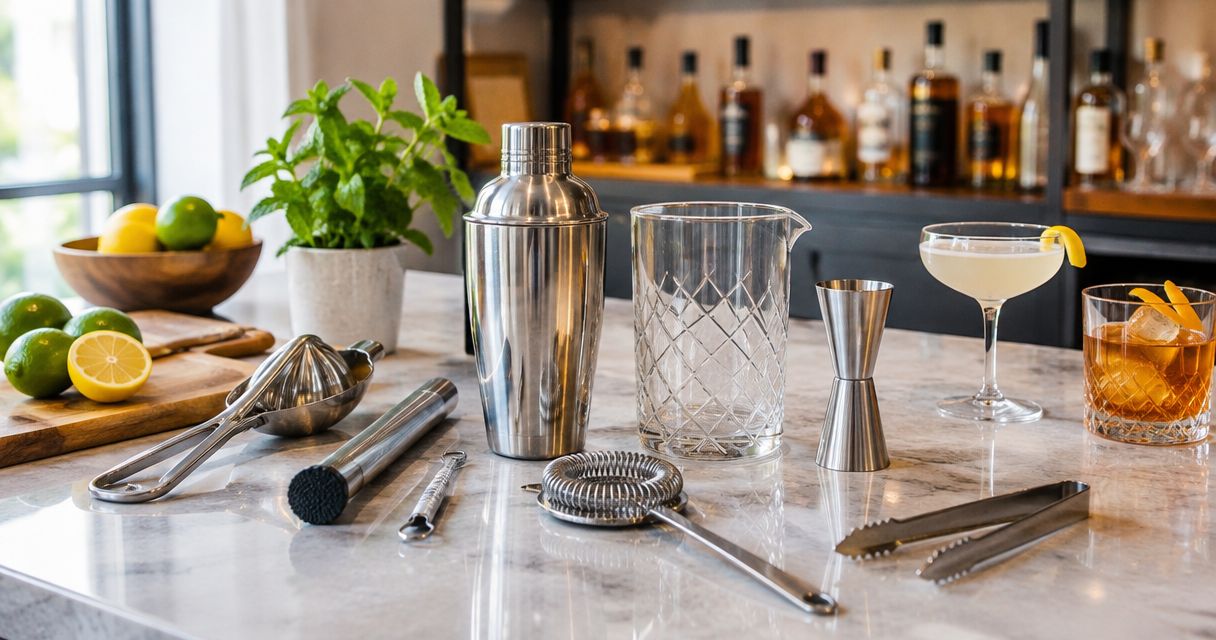
- Gather the equipment: a clean coupe, jigger, shaker or mixing glass, suitable strainer, ice, ingredients, and prepared garnish. Add a fine-mesh strainer when you want to remove small ice fragments or citrus pulp.
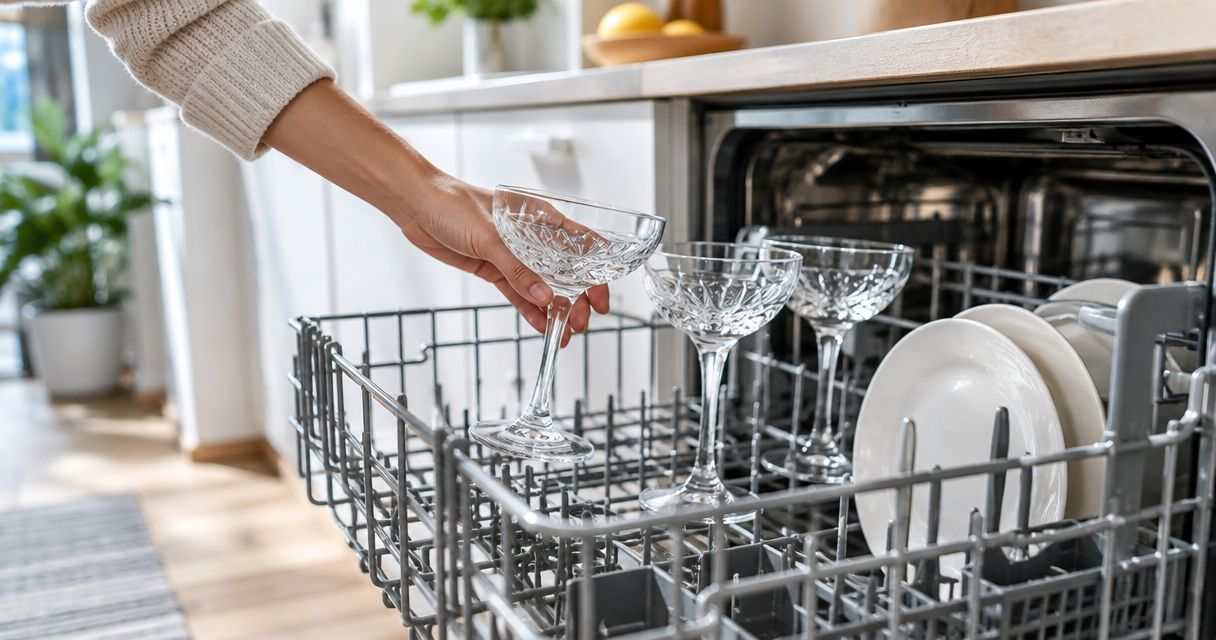
- Check the glass: inspect the rim and stem for damage, follow the manufacturer's care instructions, and chill using a suitable method. Do not put a hot glass straight into a freezer or fill it with ice water.
- Check finished volume, not ingredient volume: shaking and stirring add water from melting ice. A recipe that fits before mixing can leave too little room afterward; test the pour before preparing drinks for guests.
Your 2026 service checklist should put the glass and garnish ahead of the shaker. No app or specialist setup is required; the useful controls are your measurements, preparation order, and final pour.
Glass selection and station setup
Choose the right serving glass
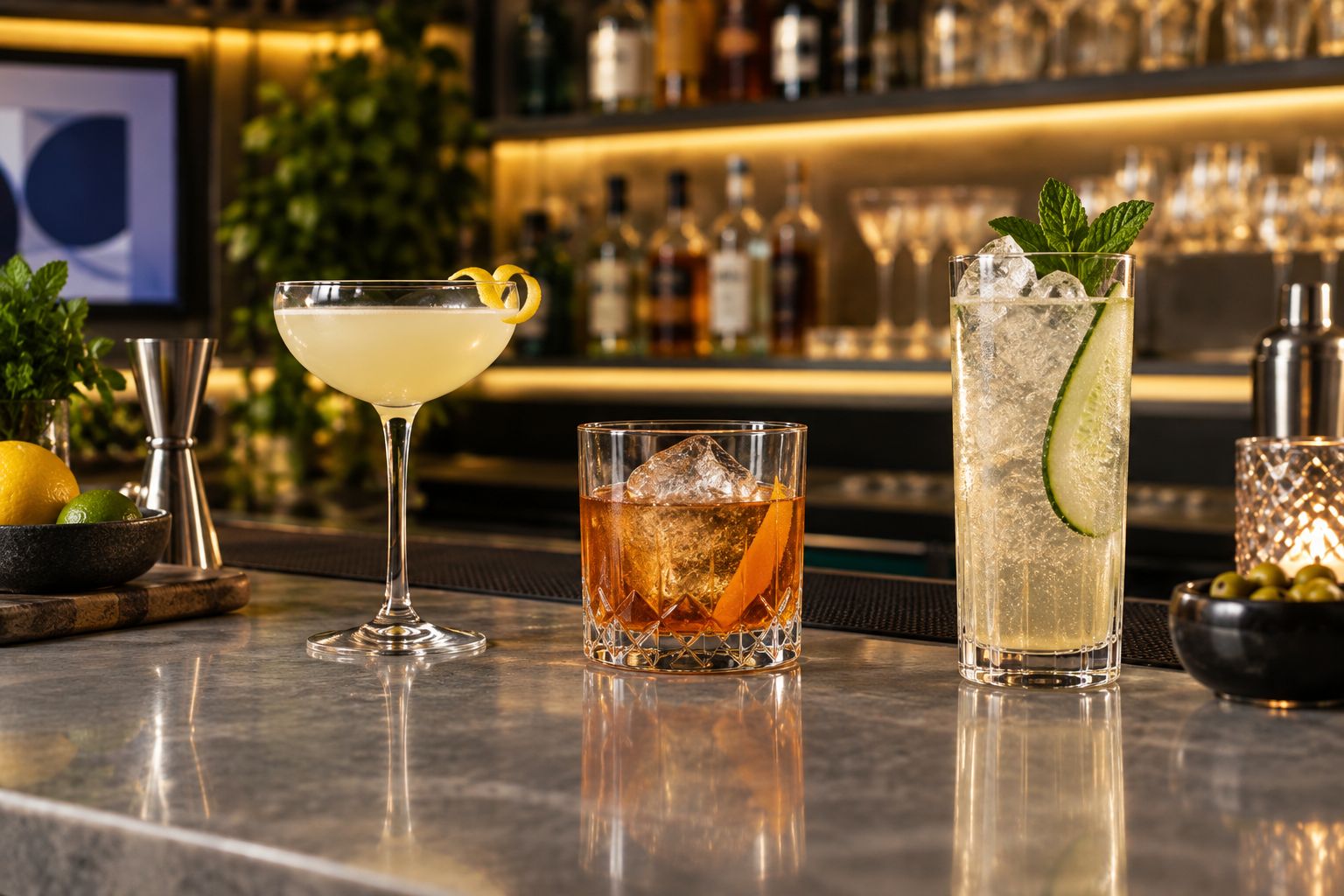
A coupe is useful, but it is not the correct destination for every cocktail. Match the glass to the serving method rather than the drink's appearance in a photograph.
| Glass | Best for | Practical advantage | Real drawback |
|---|---|---|---|
| Coupe | Cocktails served up, such as a Daiquiri or Sidecar | Stem keeps your hand away from the bowl; open rim makes garnishing straightforward | Broad opening requires careful carrying and exposes the drink to room air |
| Nick & Nora | Smaller cocktails served up | More enclosed bowl suits a restrained pour | Less room for a large recipe or bulky garnish |
| Martini | Cocktails served up when you prefer an angular bowl | Wide opening accommodates a garnish pick | Sloping sides make a near-rim pour difficult to carry |
| Rocks | Cocktails intended to remain over ice | Accommodates serving ice and a short drink | Does not provide stemmed, ice-free service |
| Highball | Long drinks served with ice and a mixer | Tall shape suits the drink's longer format | Wrong format for a short cocktail served up |
Choose the coupe for the recipe, not as a universal replacement for other glasses. Quality Barware's bartender-curated approach helps frame that choice around function; it does not remove the coupe's spill risk or make one bowl size suitable for every drink.
Prepare the station
- Inspect the glass. Hold the rim toward the light and check for chips, lipstick marks, or detergent residue. Replace damaged glassware rather than trying to work around it.
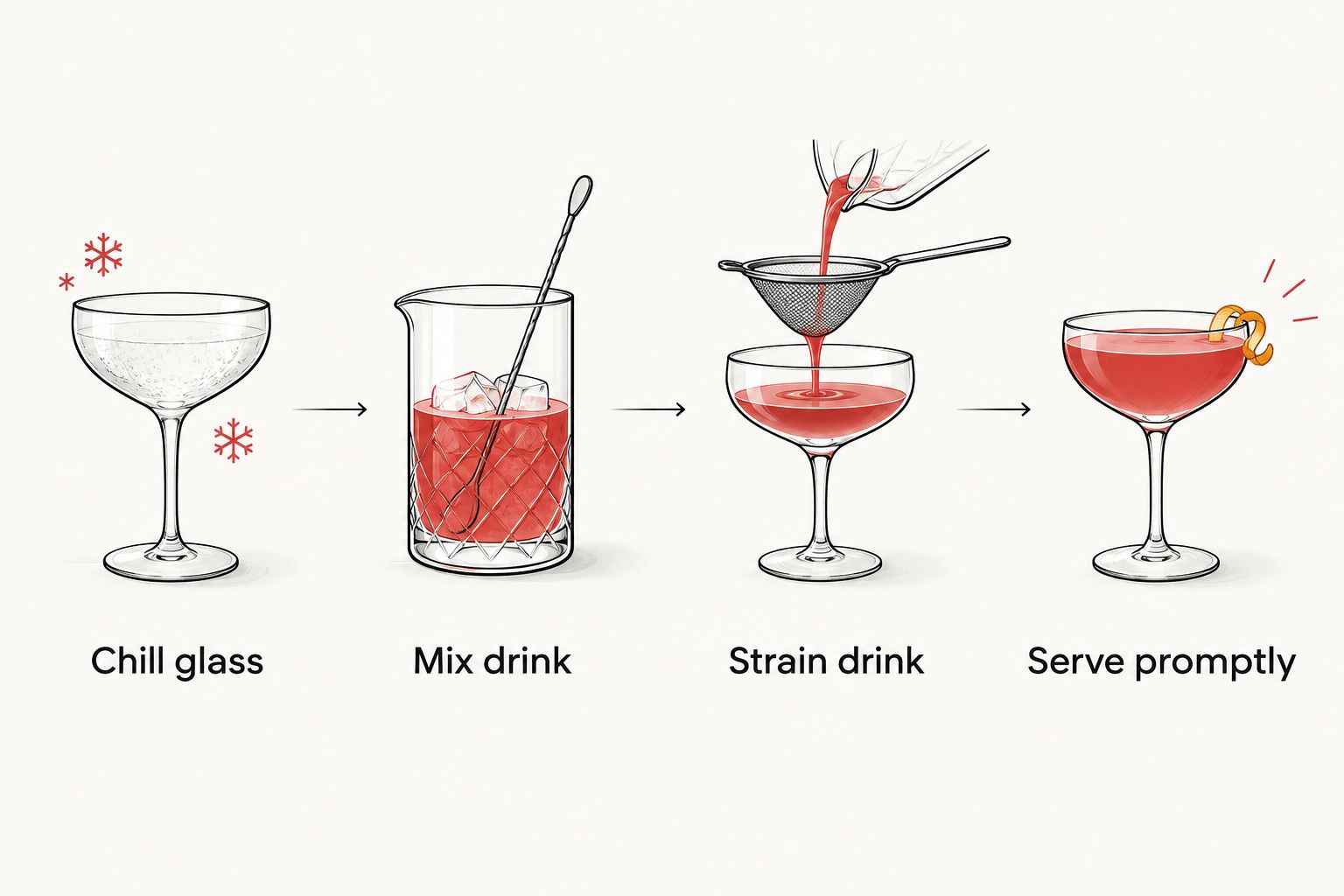
- Chill glass. Use a refrigerator or an ice-and-water fill if suitable for the glass. Empty the chilling water completely before pouring the cocktail.
- Prepare the garnish. Cut a citrus peel or ready the recipe's garnish before mixing. Keep the serving area clear enough to set the coupe down without reaching over tools.
- Arrange the tools. Put the jigger, mixing vessel, strainer, and ingredients within reach. Keep a clear route from the mixing area to the serving spot.
Expected result: your clean coupe is chilling, the garnish is ready, and nothing needs finding after the cocktail is mixed.
Cocktail preparation
Measure and chill the drink
Use a tested recipe rather than adjusting the pour to fill the bowl. A larger glass is not an instruction to add more alcohol.
For a concrete shaken example, a classic Sidecar uses 50 ml cognac, 20 ml triple sec, and 20 ml lemon juice. Those ingredients total 90 ml before dilution; the finished drink includes water introduced during shaking.
- Measure the ingredients. Use the jigger for each liquid and follow the recipe's proportions. Fresh citrus varies, so taste the finished mixture hygienically before serving rather than assuming every lemon tastes identical.
- Select the method. Shake a Sidecar or Daiquiri; stir a Manhattan or a conventional spirit-forward Martini. Follow the recipe when its method differs from a general rule.
- Mix drink. Add ice and shake or stir as directed. The job is to chill and dilute the drink, not merely combine the ingredients.
- Check the result. Taste a small sample using a clean tasting utensil that does not return to the drink. Assess balance and temperature before transferring it to the coupe.
Expected result: the cocktail is cold and balanced while the serving glass remains ready. Do not leave a completed drink sitting on its mixing ice while you finish other preparation.
Avoid treating a fixed shaking duration as a guarantee. Ice size, starting temperature, and technique change the result; sound and surface frost are clues, not substitutes for checking the drink.
Straining and handoff
Pour without filling the rim
The final transfer determines whether you serve a clean cocktail or a bowl carrying stray ice, unwanted pulp, and a spill waiting to happen. Work over the counter, not over a guest's hand.
- Empty the coupe. Remove all chilling ice and water. Check that no cube remains hidden in the bowl.
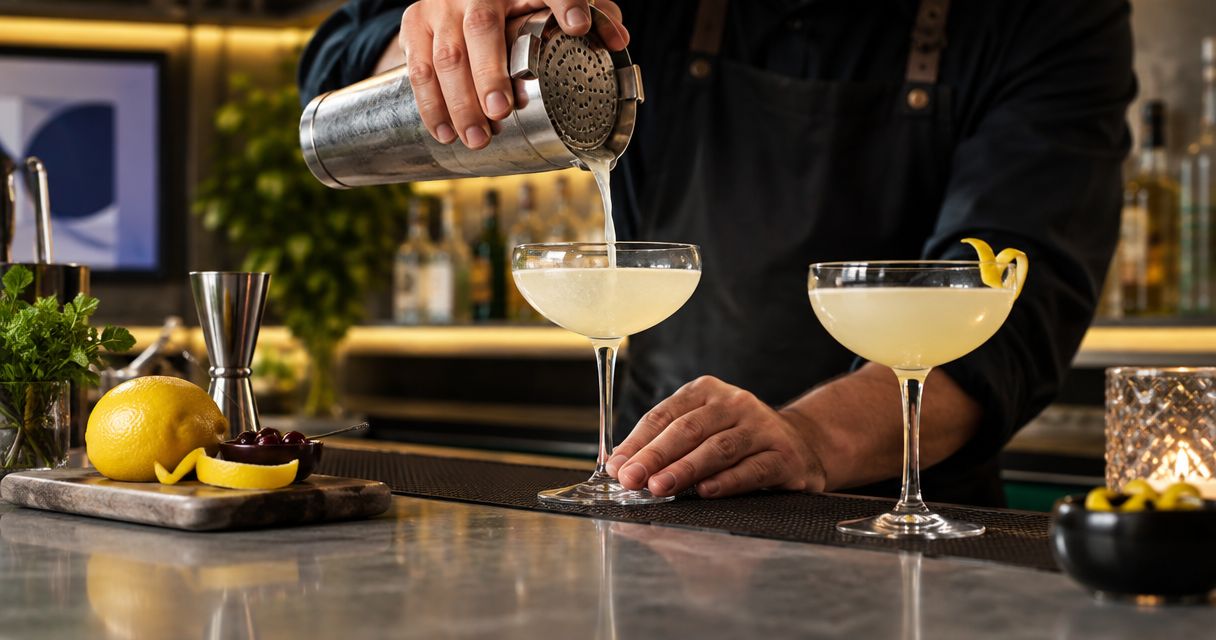
- Strain drink. Fit the appropriate strainer to the mixing vessel and pour in a controlled stream. Keep your fingers away from the drinking rim.
- Fine-strain when needed. Hold a fine-mesh strainer over the coupe for shaken drinks when you want to remove small ice chips or pulp. Skip this extra pass when it would remove a texture the recipe is meant to retain.
- Stop below the rim. Leave visible space for lifting, carrying, and taking the first sip. If the recipe exceeds the bowl's useful capacity, use an appropriate larger glass or scale the recipe proportionally before mixing another drink.
- Garnish and serve promptly. Apply the prepared garnish without delaying the handoff. Hold the stem or base rather than wrapping your hand around the bowl.
Expected result: the drink reaches the guest cold, without serving ice, and with enough room to lift the glass comfortably.
The service order is simple enough to repeat for every round. Make that order your default rather than relying on memory when someone interrupts you.
Second workflow: stirred cocktails in a coupe
A coupe also works for a stirred cocktail served up. The glass preparation and handoff stay the same; the mixing vessel and straining technique change.
Best for: spirit-forward recipes such as a Manhattan, where you want the texture of a stirred drink. The drawback is that stirring still requires attention to dilution; simply combining chilled ingredients is not the same process.
- Prepare the coupe and garnish first. Keep the glass chilling while you measure the drink.
- Measure into a mixing glass. Follow the chosen recipe, including bitters or other small additions.
- Add ice and stir. Keep the motion controlled rather than splashing the liquid around the vessel. Taste with a clean utensil to check the result.
- Strain into the emptied coupe. A julep strainer is commonly used with a mixing glass; use a compatible strainer that holds back the mixing ice.
- Finish and hand over. Add the specified garnish and serve while the cocktail is cold.
Expected result: a chilled, stirred cocktail served without ice. Do not shake it merely because the coupe is also used for shaken drinks; glass shape does not determine mixing method.
Troubleshooting
The drink reaches the guest warm
Chill the glass before mixing, check that the cocktail itself is properly chilled, and shorten the gap between straining and serving. Prepare the garnish earlier rather than leaving the finished drink on the counter.
Ice chips or unwanted pulp reach the bowl
Check the primary strainer's fit and use a fine-mesh strainer for a cleaner shaken pour. Fine-straining is a texture choice, not a requirement for every cocktail; it can also retain foam or thicker ingredients.
The coupe spills during carrying
Reduce the fill level and hold the stem or base. For a crowded room, serve at a nearby stable surface rather than carrying a rim-full coupe across the room; use a different serving format if the recipe permits.
The cocktail tastes thin or unbalanced
Check measurements and account for any chilling water left in the glass. Do not compensate by adding unmeasured spirit to the finished coupe; correct the preparation method and remake the drink when necessary.
The glass has an odor or cloudy residue
Rewash and rinse according to its care instructions, then allow it to dry properly. Inspect again before chilling; citrus garnish does not fix detergent residue or cupboard odors.
Customize your workflow
Build your 2026 hosting checklist around one shaken recipe and one stirred recipe before expanding the menu. That gives you practice with both methods without turning every round into a search for different tools.
Keep the same service sequence, but adapt the straining step to the drink. The cocktail strainers guide explains the tool category to consider when your current setup leaves unwanted ice or pulp behind.
Quality Barware sells cocktail glasses and home-bar essentials selected by a working bartender. Use that practical perspective to identify a specific gap—glass fit, measuring, or straining—rather than replacing equipment that already does its job.
FAQ
How do you serve cocktails in coupe glasses?
Chill the coupe, prepare and chill the cocktail, then strain it into the emptied glass without serving ice. Leave space below the rim, add the prepared garnish, and serve promptly.
Should you put ice in a coupe glass?
Do not leave serving ice in a coupe when the recipe calls for a cocktail served up. Ice used to chill the empty glass must be removed before pouring the drink.
Which cocktails work best in a coupe?
Cocktails intended to be served up, including a Daiquiri, Sidecar, and Manhattan, work in a suitably sized coupe. Match the finished recipe volume to the bowl rather than filling every glass to the rim.
Do you shake every cocktail served in a coupe?
No, the recipe determines whether you shake or stir. A Sidecar is shaken, while a Manhattan is stirred; either can be strained into a coupe.
Is a coupe better than a Nick & Nora glass?
Neither glass is better for every drink. A coupe offers a broad opening, while a Nick & Nora's more enclosed bowl suits smaller pours; check usable capacity and handling before choosing.
Why does my coupe cocktail spill so easily?
A broad bowl and a near-rim fill make a coupe difficult to carry without spilling. Leave visible headroom, hold the stem or base, and keep the serving route short.
Can you prepare coupe cocktails before guests arrive?
Prepare suitable ingredients and garnishes ahead, but keep chilling, dilution, and final service under control. Do not pre-pour finished cocktails into open coupes and leave them waiting at room temperature.
One last thing
Test the glass with water before testing it with a cocktail. Fill it to a comfortable serving level, lift it, and carry it along your actual serving route; this reveals an impractical fill level without wasting a drink.
If you change one home-bar habit in 2026, make it preparing the glass before touching the shaker. The last task should be the handoff, not finding somewhere to pour.