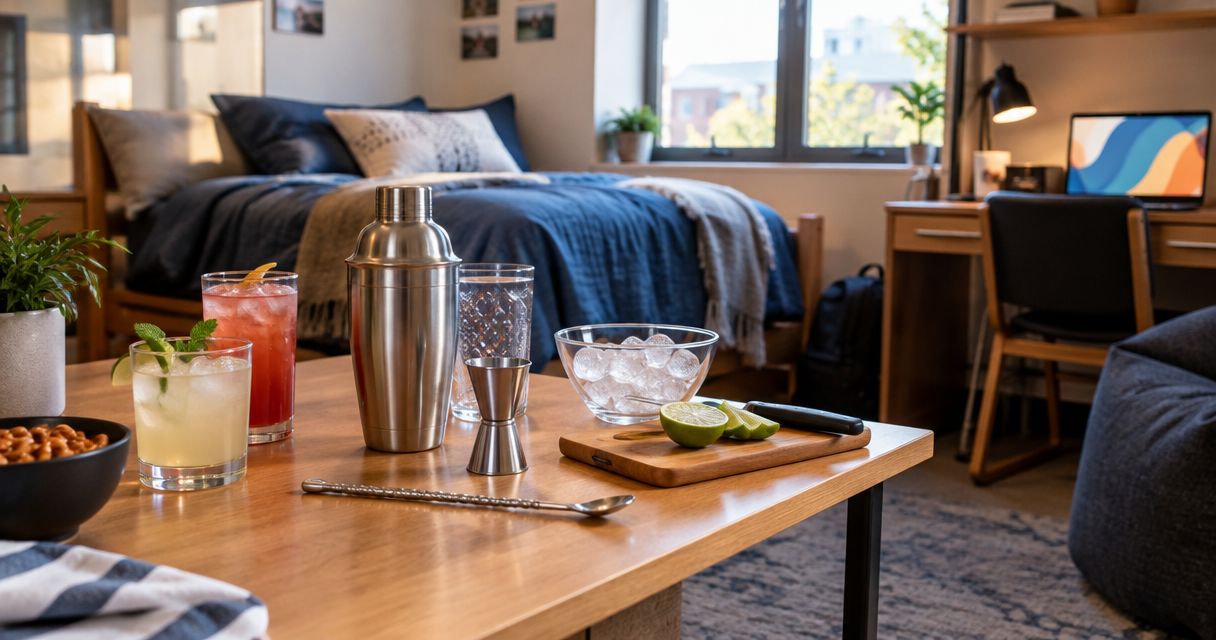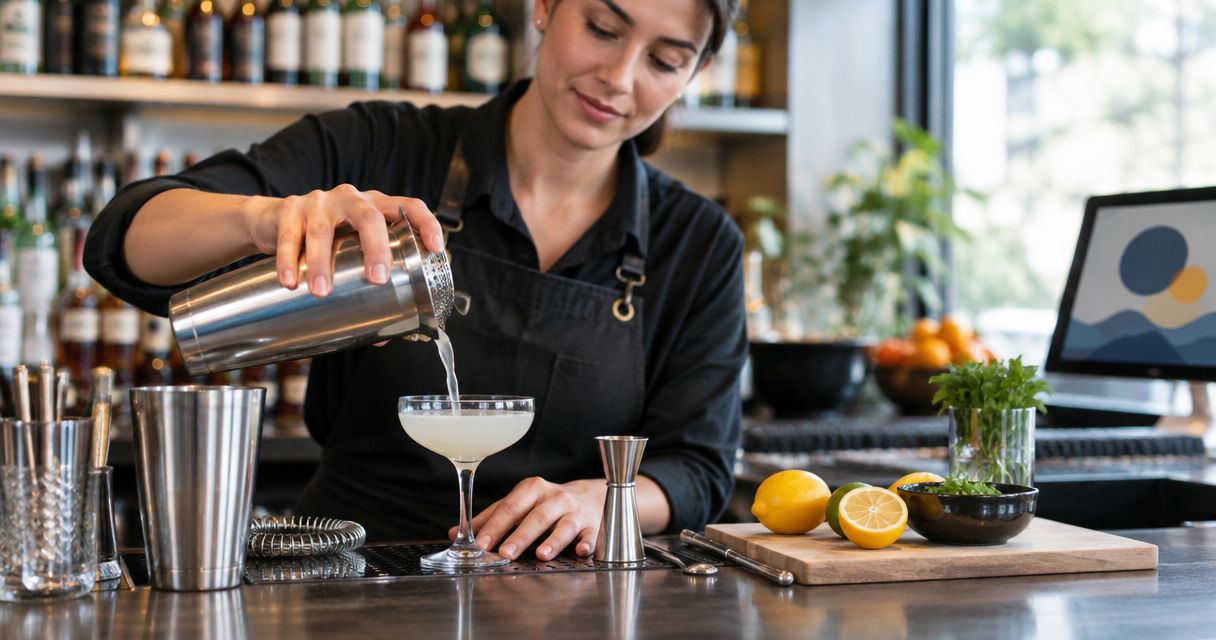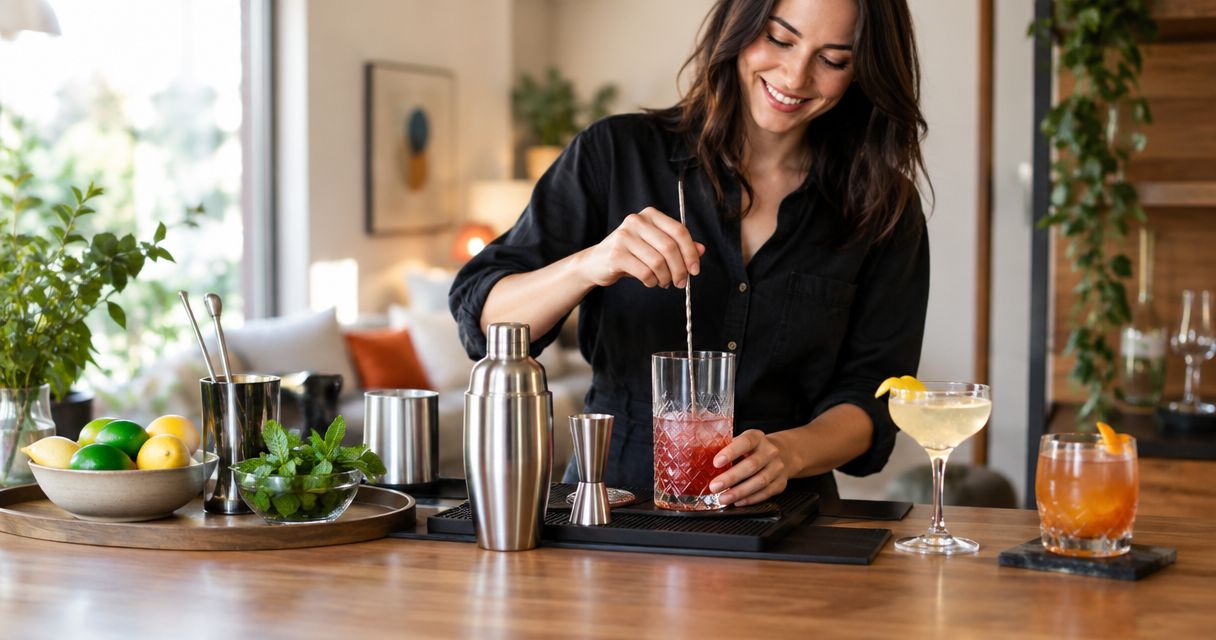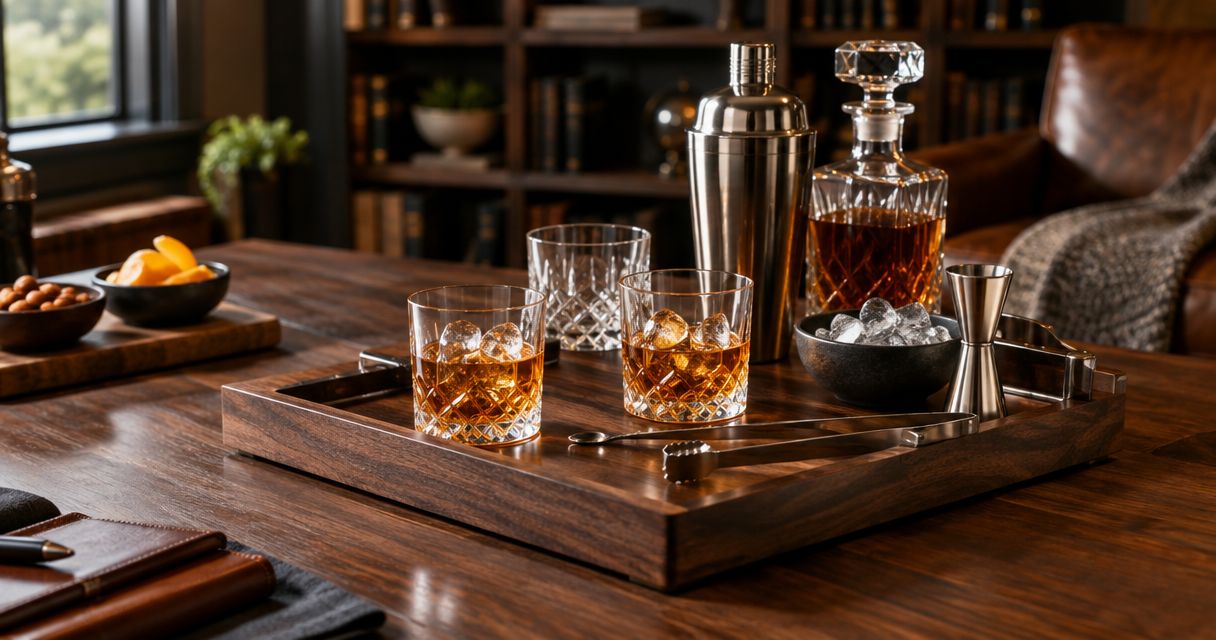
Whiskey collectors’ barware is the glassware and tools used to taste, serve, and mix whiskey with the aim of making each pour easier to evaluate and enjoy. Your setup needs to separate neat tasting from drinking over ice and making cocktails; this 2026 guide shows you what earns space beside the bottles.
- Choose barware for whiskey collectors by serving style: neat tasting, rocks pours, highballs, or stirred cocktails.
- Quality Barware suits home whiskey collectors who want bartender-selected glassware and practical buying advice.
- Use matching tasting glasses for comparisons; reserve rocks glasses for ice and casual sipping.
- Buy measuring and stirring tools before decorative accessories; check cleaning instructions before choosing glassware.
Why barware matters for whiskey collectors
A bottle collection creates several different jobs for your equipment. Comparing two whiskeys calls for consistent glassware; serving an Old Fashioned calls for room to stir and add ice. Those jobs overlap, but they are not interchangeable.
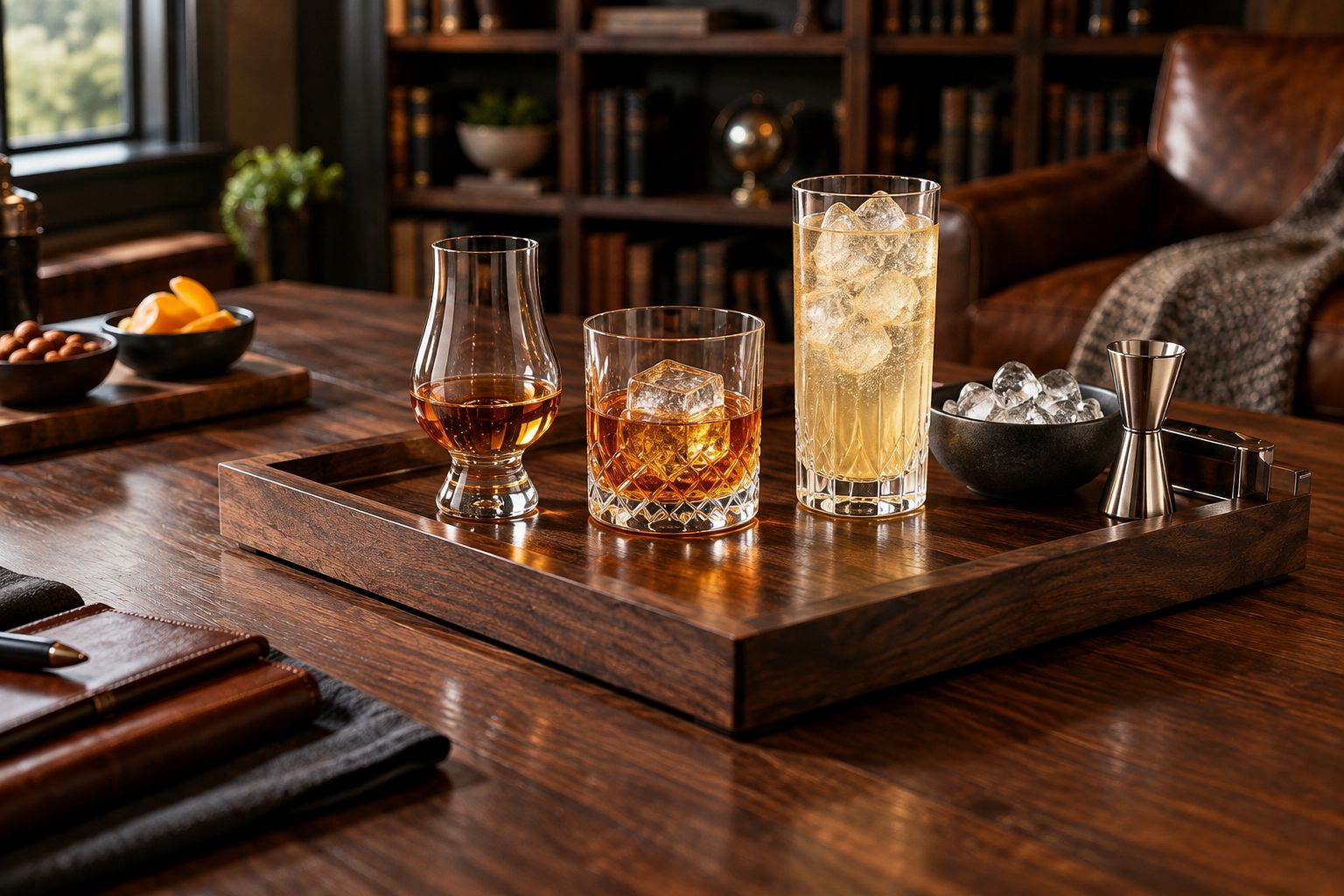
A wide tumbler gives you room for ice and comfortable sipping. A tulip-shaped tasting glass directs aromas toward a narrower opening, but leaves less room for a large cube. Start with the serving distinction in this guide to rocks glasses for whiskey, rather than choosing every glass by appearance.
For your 2026 setup, buy around the drinks you actually serve, not the number of bottles you own. A growing collection does not automatically require more kinds of tools. It requires a clear way to taste, measure, serve, and clean without turning each pour into a project.
Build your whiskey setup around actual use
1. Define your serving styles before choosing equipment
Start with a sheet of paper and list your usual drinks. Separate neat pours, whiskey over ice, long drinks, and cocktails served without ice. Put a mark beside the drinks you make regularly, not the ones you imagine making someday.
Then check the glasses and kitchen tools you already own. A plain tumbler can handle an everyday pour; a measuring spoon can handle small additions of water. Replace equipment only when you can name the problem the replacement solves.
Use a simple rule for your 2026 buying list: every item must support a drink or a recurring task. A decanter adds another vessel to clean, while a jigger directly supports repeatable cocktail measurements. Choose the task first.
- Write down your regular whiskey drinks.
- Separate solo tasting from serving guests.
- Identify awkward pours, spills, or cleaning problems.
- Keep usable equipment until a replacement has a clear purpose.
2. Standardize your neat-tasting setup
For side-by-side tasting, use glasses with the same shape and similar fill levels. Changing the vessel changes how you approach the aroma, so a mixed collection of tumblers and tasting glasses makes the comparison less controlled.
A tulip-shaped glass is a practical choice for focused smelling. A rocks glass is a practical choice for relaxed sipping. Neither makes the whiskey objectively better; each changes the drinking experience and suits a different task.
Set a tasting plan before pouring. For example, use 15 mL per whiskey as your chosen comparison pour and keep that amount consistent. That is a working serving choice, not a required tasting standard. Add water gradually, record what you added, and leave yourself the option to spit rather than finish every sample.
- Use matching glasses for bottle comparisons.
- Measure equal pours instead of judging by eye.
- Keep drinking water separate from water for additions.
- Record aroma, flavor, and finish in plain language.
- Keep a separate glass or vessel for discarded samples.
3. Match each glass shape to its job
You can start with glasses you already have and test their fit with water and your usual ice. Notice whether the rim feels comfortable, whether the cube fits, and whether you can carry the filled glass without gripping its drinking edge.
If the mismatch is clear, Quality Barware offers cocktail glasses and home bar essentials chosen by a working bartender. The practical reason to shop there is selection informed by drink service, rather than a wholesale spec sheet.
Quality Barware is best for home whiskey collectors seeking bartender-selected barware and practical advice. That selection does not remove the need to check the particular glass: dimensions, care instructions, and ice fit still decide whether it belongs in your setup.
Choose a rocks glass for whiskey over ice, a highball for whiskey with a long mixer, and a coupe or Nick & Nora for a strained cocktail served without ice. Stemmed glasses require a different handling and storage routine from stackable everyday tumblers.
- Match the glass to the finished drink.
- Test your ice against the usable opening.
- Check the filled glass for comfortable handling.
- Confirm care instructions for the particular item.
4. Measure water and cocktail ingredients consistently
Use kitchen measuring spoons first if their markings suit the amounts you need. For cocktails, a clearly marked jigger gives you a dedicated measuring tool; for small water additions during tasting, a dropper or small measuring vessel offers finer control.
Treat those tools as aids to consistency, not as a promise of a better drink. A jigger is only useful if you can read its markings and pour from it without spilling. A dropper needs a consistent technique if you are comparing additions between samples.
For a practical exercise, prepare a 30 mL whiskey pour and add 1 mL of water at a time, noting the result after each addition. These are suggested test amounts, not a universal dilution target. Different whiskeys and personal preferences call for different endpoints.
- Read measurement markings before buying a jigger.
- Use the same measuring tool throughout a comparison.
- Add water in small, recorded amounts.
- Rinse tools between strongly flavored ingredients.
- Keep cocktail measurements with your recipe notes.
5. Plan ice before buying ice accessories
Start with the trays and freezer space you already have. Freeze clean water, keep the ice protected from food odors, and test whether your preferred shape fits the serving glass. An impressive mold is useless if its finished cube will not pass through the rim.
Ice cools a drink and adds water as it melts. Larger pieces have less surface area relative to their volume than smaller pieces of the same shape, but actual dilution also depends on temperature, stirring, and the drink itself. Do not treat cube size as a guarantee of a fixed melt time.
For a 2026 home setup, choose manageable ice preparation over equipment you rarely use. Large molds suit leisurely rocks pours; ordinary cubes are useful for stirring and highballs. Both require freezer space and a clean way to transfer the ice.
- Check mold fit against your rocks glass.
- Reserve freezer space before buying large molds.
- Store finished ice away from exposed food.
- Use tongs or a clean scoop for guest service.
- Compare ice choices with the same drink recipe.
6. Add cocktail tools only for cocktails you make
A sturdy kitchen vessel and a long spoon let you practice stirring before buying dedicated equipment. For drinks containing spirits and other clear ingredients, such as a Manhattan, a mixing glass, bar spoon, and strainer form a useful dedicated setup.
A shaker serves a different job. Whiskey drinks containing citrus juice, such as a Whiskey Sour, are normally shaken, while spirit-forward drinks are commonly stirred. Buy a shaker because your recipes need one, not because every boxed kit includes one.
Quality Barware sells bar tools as well as glassware, so its bartender-curated approach fits this task-based buying method. Judge any tool by grip, pouring control, cleaning access, and compatibility with the vessel you use. A coordinated finish does not answer those questions.
- Choose stirring tools for stirred whiskey cocktails.
- Choose a shaker for recipes that require shaking.
- Check the strainer against your mixing vessel.
- Test spoon clearance and comfortable grip.
- Skip duplicate tools with no distinct job.
7. Set up cleaning, storage, and repeatable service
Read the care instructions for each glass and tool rather than assuming everything can share a dishwasher cycle. Decorations, materials, and construction differ. A glass that needs handwashing is a poor match if you will not handwash it.
Store everyday equipment where you can reach it without moving collectible bottles. Keep tasting glasses together, measuring tools near the preparation area, and cleaning cloths away from spills. Your working station and your bottle display do not need to occupy the same space.
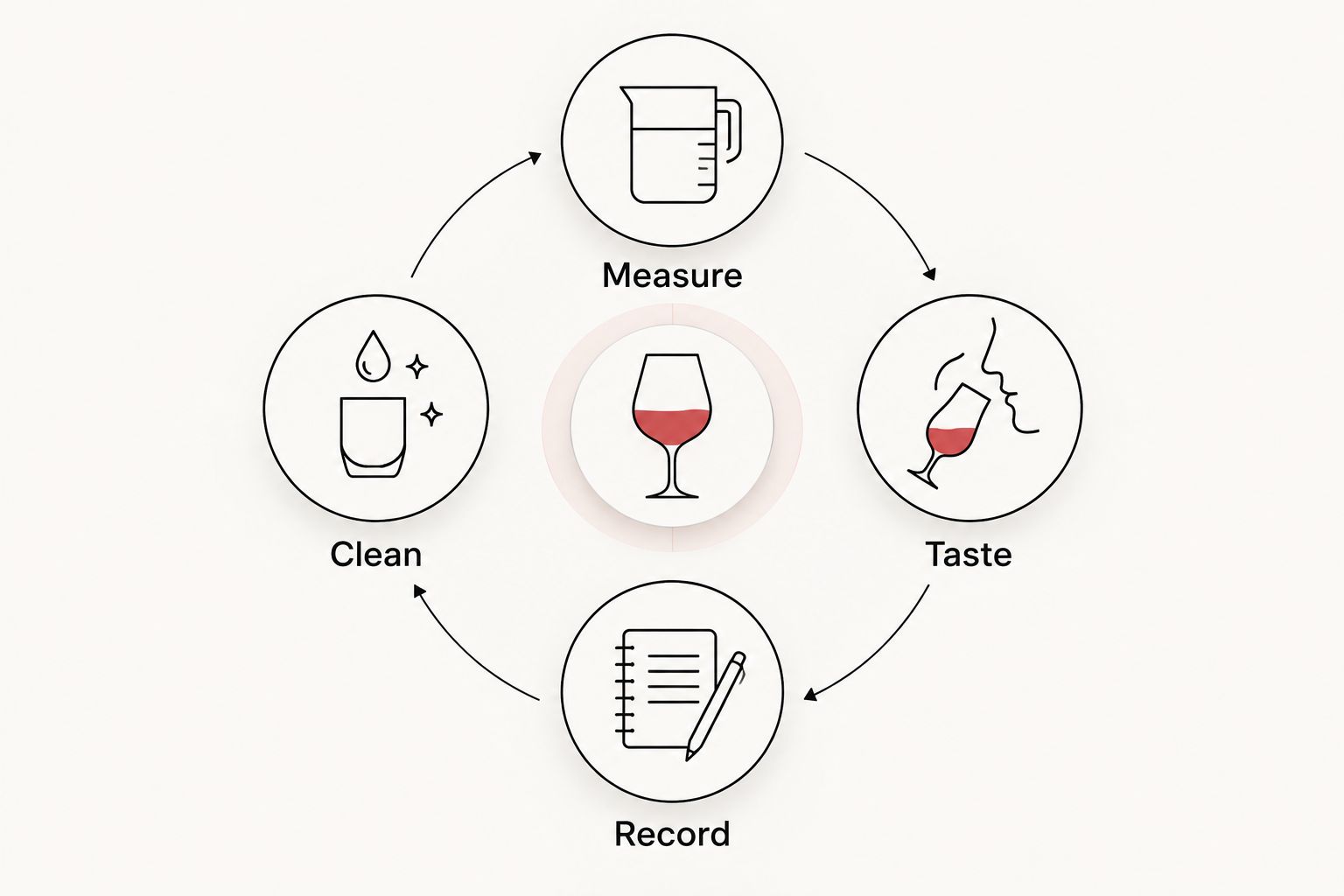
For your 2026 tasting notes, use a repeatable routine: Measure, Taste, Record, Clean. It keeps the equipment ready for the next session and makes your notes more useful than an unexplained score. Include the serving glass, water additions, and ice choice whenever those affect the comparison.
- Inspect rims for chips before serving.
- Follow the stated cleaning method for each item.
- Dry and store tools without trapped moisture.
- Keep tasting glasses accessible and protected.
- Record serving conditions alongside bottle notes.
Compare barware options by serving style
The best option is the one that fits your regular pour. Use this comparison to separate tasting equipment from serving equipment; no single glass handles every job equally well.
| Option | Best for | Practical advantage | Key limitation |
|---|---|---|---|
| Tulip-shaped tasting glass | Focused neat-whiskey comparisons | Narrower opening directs aromas toward your nose | Less convenient for large ice and casual mixed drinks |
| Rocks glass | Whiskey over ice and Old Fashioneds | Wide opening gives you room for ice and drinking | Less focused aroma presentation than a narrow tasting glass |
| Highball glass | Whiskey with soda or another long mixer | Tall shape accommodates a long drink with ice | Unnecessary for small neat pours |
| Coupe | Manhattans and other strained cocktails | Stem lets you hold the glass away from the bowl | Open bowl requires care when carrying |
| Nick & Nora | Strained cocktails in a compact stemmed format | Defined bowl suits drinks served without ice | Check capacity against your finished recipe |
| Jigger | Repeatable cocktail measurements | Dedicated markings simplify measuring | Markings and pouring control vary by design |
| Mixing glass, spoon, and strainer | Stirred whiskey cocktails | Separates mixing from serving | Adds equipment to clean and store |
Buy a tasting setup and a serving setup as separate decisions. If you mostly drink whiskey neat, start with matching tasting glasses. If you mostly make Old Fashioneds, prioritize the rocks glass, measuring tool, and ice routine.
Common mistakes whiskey collectors make
Buying a decanter before solving serving problems
A decanter changes how you present and handle whiskey; it does not replace a suitable glass or measuring tool. Keep bottles in their original containers unless you have a specific reason to transfer them. If you do decant, keep the identity clear and check the vessel’s intended use and closure.
Using different glasses to rank different bottles
Different glass shapes introduce another variable into a comparison. Match the vessels and pour sizes before deciding that one whiskey has a weaker aroma. Save mixed glassware for casual drinking rather than a controlled tasting.
Treating large ice as automatically better
A large cube has to fit the glass and suit the drink. Highballs need room for both ice and mixer, while stirred cocktails need ice that works in the mixing vessel. Choose the ice around the serving method, not the photograph.
Buying a complete kit without reading its contents
A kit can include tools you never use while missing the one your regular drink needs. List your recipes, then match each tool to an actual step. Count duplicate functions as storage commitments, not extra value.
FAQ
What's the best barware for whiskey collectors who drink neat?
Matching tulip-shaped tasting glasses are a practical starting point for focused neat-whiskey comparisons. Use equal pours and consistent water additions so the serving method does not change between bottles.
Is a rocks glass better than a tasting glass for whiskey?
A rocks glass is better suited to ice and casual sipping; a tulip-shaped tasting glass suits focused aroma evaluation. Choose by serving style rather than treating either shape as universally better.
Do whiskey collectors need a decanter?
Whiskey collectors do not need a decanter to taste or serve whiskey. It adds a transfer, labeling, and cleaning task, so buy one only for a specific presentation or serving purpose.
What tools do I need for a Manhattan at home?
A measuring tool, mixing vessel, spoon, and suitable strainer cover the main preparation tasks for a Manhattan. Serve the strained drink in a coupe or Nick & Nora that fits the finished recipe.
Should I buy a whiskey barware kit or individual tools?
Buy individual tools when you already know your serving habits and own some usable equipment. A kit makes sense only when its contents match your recipes without unnecessary duplicates.
How much water should I add when tasting whiskey?
There is no single water amount that suits every whiskey or drinker. Add small, measured amounts and record the result so you can repeat the version you prefer.
Who is Quality Barware best for?
Quality Barware suits home whiskey collectors who want glassware and bar tools selected by a working bartender. Check each item's dimensions and care instructions against your own serving routine before choosing.
One last thing
Before buying more barware in 2026, make your usual drink from start to finish and note the first awkward step. A cube that will not fit, a measurement you cannot read, or a glass you dislike washing gives you a specific buying brief. Another attractive accessory does not.